Barnes Common garden waste collection and clearance tips
Posted on 10/08/2026
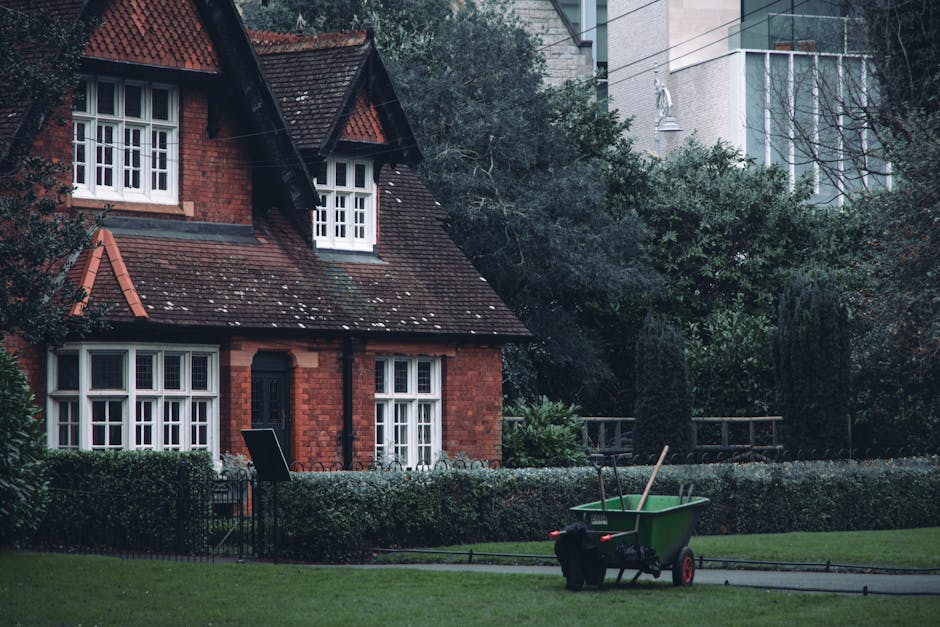
If you have ever stared at a heap of cut branches, lawn clippings, hedge trimmings, and muddy roots after a weekend in the garden, you will know the feeling: it looks harmless at first, then somehow becomes a proper job. Barnes Common garden waste collection and clearance tips are useful because garden waste builds up quickly, especially after pruning, landscaping, or a seasonal tidy-up. The right approach saves time, keeps paths clear, and helps you avoid the usual messy mistakes that turn a simple clear-out into a drawn-out chore.
This guide walks through what good garden waste clearance looks like in Barnes Common, how to sort materials properly, when a professional collection makes sense, and how to keep the whole process neat, safe, and efficient. There is a practical slant here. No fluff. Just the kind of advice that helps when the wheelie bin is already full and the stack of green waste is not shrinking on its own.
Why Barnes Common garden waste collection and clearance tips matters
Garden waste may sound straightforward, but in real life it tends to arrive in waves. One weekend you trim a few shrubs. The next, there are piles of ivy, a stubborn pile of soil-stained turf, and a half-cut tree branch that will not fit in the car, let alone a normal bin. Around Barnes Common, where outdoor spaces are often valued and kept carefully, staying on top of garden waste matters for both appearance and practicality.
There is also the simple fact that wet green waste gets heavy fast. A small pile of cuttings on a dry day can turn into a surprisingly awkward load after rain. Leaves compact, branches snag, and bags tear at the worst possible moment. That is why sensible collection and clearance tips are not just about tidiness; they are about managing the job without unnecessary stress.
For many households, landlords, and property managers, keeping outside areas clear is part of maintaining kerb appeal and making a property usable. If the waste is mixed with old pots, broken fencing, or general rubbish, the job becomes less about gardening and more about proper rubbish clearance in Barnes. That distinction matters because each type of waste may need different handling.
Key takeaway: The best garden waste clearance is rarely the fastest-looking one. It is the one that is sorted, contained, and removed in a way that keeps the area safe, tidy, and easier to manage next time.
How Barnes Common garden waste collection and clearance tips works
At its simplest, garden waste collection involves gathering organic materials and related outdoor debris, sorting what can be reused or recycled, and arranging removal in a way that suits the space and volume involved. In practice, it can range from a quick bag-and-go tidy-up to a full garden clearance after a redesign or seasonal cut-back.
The process usually starts with separating green waste from anything else. Grass, leaves, hedge trimmings, weeds, and small branches are the main green waste items. Then there is the awkward middle ground: broken plant pots, old compost sacks, timber offcuts, soil, stones, and outdoor furniture. These are not always handled the same way, so it helps to sort early.
For smaller jobs, a homeowner may bag the waste and take it away in several trips. For larger or heavier jobs, a specialist collection can be much more efficient. A crew can load the waste, carry it out safely, and handle disposal in one visit. If the waste includes mixed materials after a landscaping project, services such as garden waste removal in Barnes or even waste removal support may be the better fit than trying to manage it yourself.
The practical part is in the details: access, loading distance, bag strength, whether the waste is dry or sodden, and whether you are dealing with regular garden maintenance or a one-off clearance. A narrow side return with a muddy path is a very different job from an open driveway. Not glamorous, but there it is.
Key benefits and practical advantages
Done properly, garden waste collection is not just about getting rid of unwanted material. It improves the feel and function of the whole outdoor space.
- Cleaner, safer access: Removing loose branches, tangled stems, and piles of clippings reduces trip hazards and keeps paths usable.
- Faster garden maintenance: A clear space is easier to mow, replant, edge, and water.
- Better visual presentation: Tidy borders and clear patios simply look more cared for.
- Less strain: Heavy bags of damp cuttings are hard work. Sometimes more work than expected, to be fair.
- More efficient disposal: Sorting waste early means less back-and-forth and fewer surprises on the day of collection.
- Better recycling outcomes: Separated green waste is easier to manage responsibly than mixed rubbish.
There is also the peace-of-mind benefit. If you know the waste is being handled properly, you can focus on the garden itself rather than wondering where the pile will go. For many people, that is the real win. A neat garden does a lot for the mood on a grey London afternoon.
When the job includes heavier items or mixed outdoor debris, it may make sense to explore the broader service set on the services overview page, especially if garden clearance is only one part of a wider tidy-up.
Who this is for and when it makes sense
Garden clearance is not just for people who have let the garden get out of hand. In fact, some of the best times to arrange it are right after a planned project, when the waste is predictable and the garden can be reset before things pile up again.
This guide is especially relevant if you are:
- prepping a garden after a big prune or hedge cut
- clearing up after landscaping or turf replacement
- getting a property ready for sale or letting
- managing a rental garden between tenants
- dealing with end-of-season leaf fall and cutbacks
- clearing storm debris, fallen branches, or windblown material
- tidying outdoor areas after a family gathering or event
If you are in the middle of moving house or making a property presentable, garden waste can be one of those final bits that quietly drags on. A well-kept front or back garden makes a stronger first impression than people sometimes realise. That is especially true in a place where outdoor space adds real value and people notice details.
If your project is linked to a move or sale, it may also help to read about purchasing and selling homes in Barnes, because outdoor presentation often plays a part in how ready a property feels.
Step-by-step guidance
Here is a straightforward way to handle garden waste without turning the whole thing into a weekend-long ordeal.
- Walk the garden first. Do a slow lap and look at what is actually there. Green waste, soil, broken planters, timber, old bags, and anything sharp or heavy should be noted separately.
- Sort as you go. Keep green waste apart from general rubbish and reusable items. A mixed pile is always harder to deal with later.
- Cut bulky waste down to size. Long branches, thorny trimmings, and dense stems are easier to bundle than to leave sprawling across the lawn.
- Use strong bags or bundles. Overfilled sacks split at the worst time. Usually when you are halfway down the path. Annoying, that one.
- Keep access clear. Make sure gates, side passages, and driveways can be used safely by whoever is removing the waste.
- Check for hidden extras. Soil, stones, roots, old garden ornaments, and bits of fencing can turn a green waste job into a mixed clearance.
- Load in the right order. Heavier items should be handled first, with lighter green waste stacked where it can be compacted efficiently.
- Do a final sweep. Small twigs, compost spill, and leaf litter are easy to miss. A quick sweep makes the whole garden feel finished.
If the job is more than a simple tidy, using a dedicated garden waste removal service in Barnes can save a lot of repeated lifting. In our experience, one proper visit often beats three improvised car-loads. Every time.
Expert tips for better results
Here are the details that make a noticeable difference. These are the bits people skip when they are in a hurry, and then regret later.
- Let green waste dry a little if you can. Damp cuttings are heavier and bulkier. A few dry hours can make a real difference.
- Flatten and bundle where safe. Compressing material reduces volume and can speed up loading.
- Keep thorns and spiky stems wrapped or contained. Nobody enjoys a surprise scratch when carrying a bag.
- Protect paths and patios. A sheet or tarp can reduce mess when moving waste through the house or along narrow access.
- Separate reusable materials. If a plant pot, edging stone, or timber offcut can be used again, do not bury it in the waste pile.
- Plan around weather. A windy or rainy day can make light waste scatter everywhere. Slightly dull weather is sometimes better than a blustery one.
There is another quiet benefit to good planning: the space feels less stressful to work in. You notice it when you kneel to pull weeds or trim a border. There is room to move. Fewer obstacles. Less faffing.
If your access is awkward or the load has to come through tight side passages, it may be worth reading this narrow-access clearance guide for Barnes Bridge jobs. Narrow access can change everything about how a clearance is planned.

Common mistakes to avoid
Most garden waste problems are not dramatic. They are just the result of small avoidable mistakes stacking up. Classic stuff, really.
- Mixing everything together. Green waste, broken pots, soil, and general rubbish all in one pile makes disposal slower and messier.
- Overfilling bags. Heavy bags split, and then you are dealing with a second clean-up.
- Leaving waste wet for too long. It becomes heavier, smellier, and less pleasant to handle.
- Forgetting access routes. If the removal team cannot get close enough, the job takes longer and may need extra handling.
- Assuming all garden waste is the same. Roots, logs, soil, and mixed landscaping debris usually need different handling from clippings and leaves.
- Skipping the final sweep. Tiny debris left behind makes a space look half-finished.
A lot of people also underestimate how quickly a tidy pile can become an obstacle. One minute the bags are "just there for now", and the next they are blocking the shed door or soaking through in the rain. You know how it goes.
Tools, resources and recommendations
You do not need a garden full of specialist equipment to handle basic waste clearance well, but a few sensible tools make life easier.
| Tool or item | Best use | Why it helps |
|---|---|---|
| Heavy-duty garden sacks | Leaves, grass, light clippings | Reduces tearing and makes handling simpler |
| Tarpaulin or ground sheet | Collecting loose waste | Keeps piles contained and easier to drag |
| Secateurs, loppers, pruning saw | Cutting branches and stems | Helps reduce bulky waste before removal |
| Wheelbarrow or garden trolley | Moving waste to a collection point | Less lifting, less strain |
| Gloves and sturdy shoes | General handling | Protects hands and feet from hidden debris |
| Broom or leaf rake | Final tidy-up | Leaves the area presentable after clearance |
For larger jobs, the most useful resource is often a removal team that can handle collection, loading, and disposal in one go. If you are comparing options, the pricing and quotes page can help you think through what is involved before you commit to a date.
And if your outdoor clearance is part of a wider property clean-up, it may be worth looking at your rubbish removal needs so you can match the right type of collection to the job, not just the nearest one.
Law, compliance, standards, or best practice
With garden waste, the main thing is to make sure it is handled responsibly and in line with normal UK waste management expectations. You do not need to become a waste-law expert, thankfully, but there are some sensible best practices worth following.
First, do not assume garden waste can be dumped anywhere or mixed with unrelated rubbish and forgotten about. Green waste should be kept separate where possible, especially if you want it processed efficiently. If a job also includes soil, rubble, treated timber, or old fixtures, that mixed material may need separate handling. That is especially relevant when a garden project includes patios, raised beds, decking, or fencing.
Second, choose a provider that can explain how the waste will be managed and whether sorting or recycling is part of the process. The recycling and sustainability page is a useful reminder that responsible disposal is not just a nice extra; it is part of doing the job properly.
Third, think about safety. Branches, broken stakes, old glass, rusty fixings, and thorny cuttings can all cause injuries if handled carelessly. Good practice means using gloves, keeping pathways clear, and lifting in a way that does not strain your back. Not glamorous, but it matters.
If you are unsure whether material is garden waste, general waste, or part of a mixed clearance, treat it cautiously and sort it before loading. That simple step often prevents issues later.
Options, methods, or comparison table
There is no single right way to clear garden waste. The best method depends on the amount, the access, and how quickly you need the space cleared.
| Method | Best for | Pros | Trade-offs |
|---|---|---|---|
| DIY bagging and trips | Very small tidy-ups | Low cost, flexible | Time-consuming, physically tiring |
| DIY with a trailer or van | Moderate amounts | More capacity, fewer trips | Loading, driving, and disposal still take effort |
| Scheduled garden waste collection | Routine clearances | Convenient, predictable | May not suit mixed or bulky loads |
| One-off professional clearance | Large or mixed jobs | Fast, efficient, handled end-to-end | Usually the most expensive option upfront |
For most busy households, the decision comes down to effort versus convenience. If you have a small pile after pruning a few shrubs, doing it yourself can make sense. If you have a whole hedge's worth of cuttings, a few bags of soil, and some old garden junk thrown in for good measure, a professional clearance is often the calmer choice. And honestly, calmer has value.
Case study or real-world example
Imagine a typical late-spring garden tidy-up near Barnes Common. The owner has trimmed back a hedge, lifted a patch of old turf, cleared a flower bed, and found a few forgotten items tucked behind the shed: a broken planter, two cracked trays, and an old length of timber. Nothing extreme. But the pile has grown from "a quick tidy" into a collection that fills the side return.
At first, the instinct is to shove everything into bags and deal with it later. That usually works until the bags become too heavy, the path gets muddy, and someone realises the old timber is awkwardly long. The smarter approach is to sort the waste first: green clippings in one stack, bulky bits cut down, and non-green items set aside separately. Once that is done, the loading becomes much faster and far less frustrating.
That kind of job often ends up being the point where people wish they had arranged help earlier. Not because they cannot do it themselves, but because time and physical effort start adding up. The garden looks better at the end, yes. More importantly, the whole process feels less like punishment and more like progress.
Practical checklist
Use this before collection day or before you start loading waste yourself.
- Walk the garden and identify every waste pile
- Separate green waste from general rubbish
- Cut long branches and bulky stems down to size
- Keep soil, stones, and rubble apart if possible
- Use strong sacks or bundles that will not split
- Clear access routes through gates and side passages
- Protect floors, patios, or paths if waste needs to pass through them
- Wear gloves and sturdy footwear
- Do a final sweep for twigs, leaves, and loose debris
- Double-check whether any mixed waste needs different handling
Simple checklist. Big difference.
Conclusion
Barnes Common garden waste collection and clearance tips are really about making a common task feel manageable. Sort the waste properly, keep the access clear, choose the right disposal method, and do not leave the awkward bits until the end. That alone prevents most of the mess, stress, and repeated lifting that people dread.
Whether you are tackling a seasonal tidy-up, a post-pruning clear-out, or a fuller garden reset, the best result comes from a bit of planning and a steady approach. If the job is bigger than expected, there is no shame in getting help. In fact, that is often the smartest move. Gardens are meant to be enjoyed, after all, not just wrestled with.
Get a free quote today and see how much you can save.
If you are still weighing up the right approach, start with the size of the waste pile, the type of material involved, and how much lifting you want to do yourself. That usually tells you the answer faster than anything else.

 Tipper Van - Rubbish Clearance and Basement Rubbish Removal Prices in Barnes, SW13
 Luton Van - Rubbish Clearance and Basement Rubbish Removal Prices in Barnes, SW13


